Should You Buy SNDK Right Now? Analyzing the 14% Dip
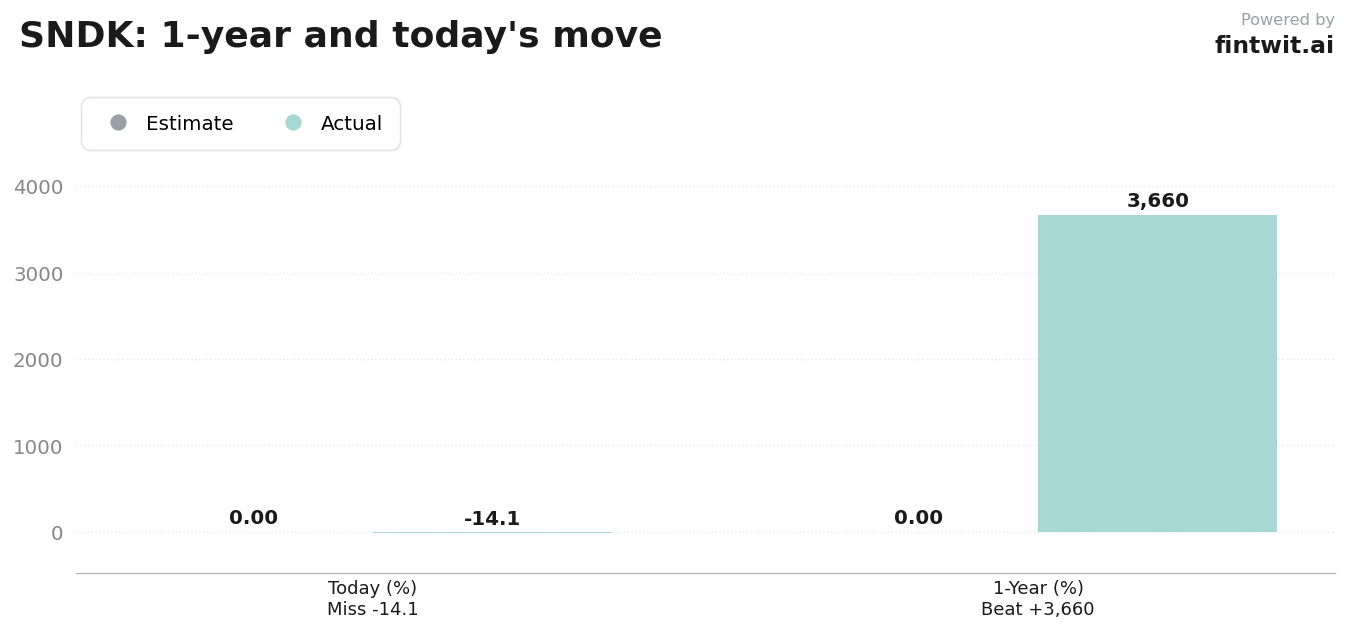
Sandisk shares fell 14% on Tuesday. Is this a buying opportunity or a warning sign for the AI memory cycle?
What just happened
The sell-off was driven by a combination of sector-wide profit-taking and the removal of a technical overhang. Investors are reassessing the sustainability of AI-driven NAND demand after the final share swap involving Western Digital was completed.
Market participants are now questioning if the current valuation, which sits at a premium compared to peers like Micron, is justified. The stock is currently trading at $1,745.000, reflecting a cooling period for the high-flying memory manufacturer.
Bull case
Proponents of the stock argue that the fundamental demand for NAND flash memory remains robust through the next several years. The company's ability to maintain pricing power is a key pillar for long-term growth.
The following factors support the bullish outlook for the company's competitive positioning:
- Bank of America analyst Wamsi Mohan maintains a bullish rating with a $2,500 price target.
- Demand for NAND is projected to outpace supply through the middle of 2027.
- The rollout of 332-layer 10th Gen NAND products is expected to bolster market share.
- New Long-Term Agreements (LTAs) are being implemented to stabilize revenue streams and margins.
- AI data center infrastructure buildout remains a primary tailwind for high-bandwidth flash products.
Bear case
Skeptics argue that the stock is currently priced for perfection, leaving little room for error as the company transitions away from its former ownership structure. The lack of a dividend yield and a high P/E ratio make it less attractive to value-oriented investors.
Key risks identified by market analysts include the following:
- Street consensus remains cautious, with average price targets hovering near $1,750.
- The stock trades at a P/E ratio of approximately 60x, a significant premium to traditional memory peers.
- Commodity business cycles remain a threat to margins if demand growth slows unexpectedly.
- Increased competition from rivals like YMTC could pressure pricing in the mid-term.
- Short-term volatility is expected as the market adjusts to the post-divestiture trading environment.
Fintwit's AI verdict
The quantitative models tracking Sandisk's momentum and fundamental data are currently weighing the recent technical pullback against the long-term infrastructure spending cycle. While the volatility has spooked retail sentiment, the underlying data suggests a specific positioning strategy for those with a high risk tolerance.
The following assessment considers the current price action and the projected supply-demand imbalance in the NAND market.