Is The Allstate Corporation (ALL) Undervalued? A Valuation Analysis
Allstate (ALL) trades at a significant discount to its peers. We analyze the valuation, underwriting risks, and the case for a potential rebound in 2025.

The headline number
Allstate currently trades at a price of $251.83 with a market capitalization of $53.37 billion. The stock's P/E ratio of 5.40 stands out as a primary indicator of its current valuation discount.
The company maintains a dividend yield of 1.96%. This payout is supported by robust operating cash flow and a disciplined capital return policy.
- Current Price: $251.83
- P/E Ratio: 5.40
- Market Cap: $53.37 billion
- Dividend Yield: 1.96%
- 180-Day Performance: +30.04%
Peer comparison
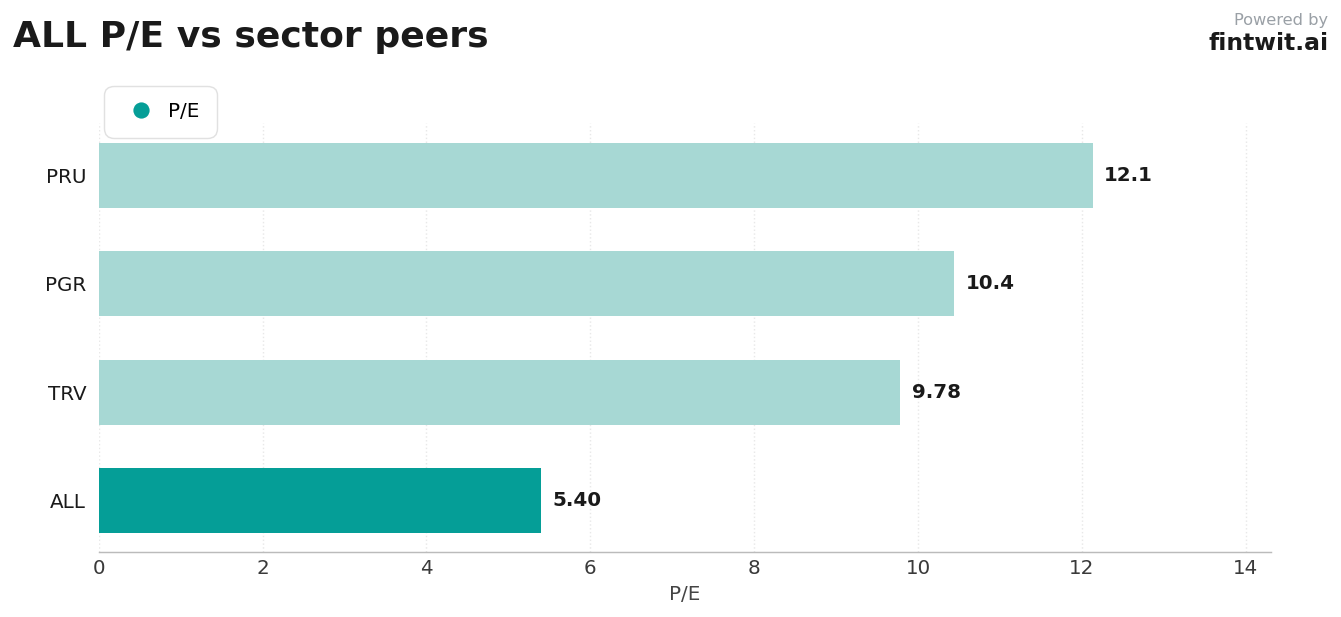
Allstate's valuation multiple is notably lower than its primary competitors in the property and casualty insurance space. This gap suggests either a market mispricing or a reflection of specific operational risks.
The following data compares Allstate's P/E ratio against key industry peers to highlight the valuation discrepancy.
- Allstate (ALL): 5.40 P/E
- Progressive (PGR): 10.44 P/E (Industry leader in personal lines)
- Travelers (TRV): 9.78 P/E (Diversified P&C peer)
- Prudential (PRU): 12.13 P/E (Financial services peer)
Bull vs bear
The investment thesis for Allstate hinges on the success of its strategic initiatives and the normalization of catastrophe losses. Conversely, bears point to systemic risks that could pressure margins.
Investors must weigh these competing factors when evaluating the current entry price.
- Bull: Successful execution of Transformative Growth strategy driving improved underwriting margins.
- Bull: Strong capital position supporting consistent dividends and share buybacks.
- Bull: Significant valuation discount relative to peers despite 44.4% adjusted ROE.
- Bear: High sensitivity to volatile catastrophe losses impacting quarterly earnings.
- Bear: Potential for margin compression if claims inflation outpaces premium rate hikes.
- Bear: Significant insider selling by top management raising questions about internal confidence.
Fintwit's AI verdict
The quantitative profile for this insurer suggests a disconnect between current market pricing and the underlying operational performance. While catastrophe exposure remains a persistent variable, the valuation multiple provides a margin of safety that is increasingly rare in the current financial sector landscape.
Future performance will likely depend on the company's ability to maintain rate adequacy while managing the rising costs of claims. The current setup favors those looking for long-term value rather than immediate momentum.